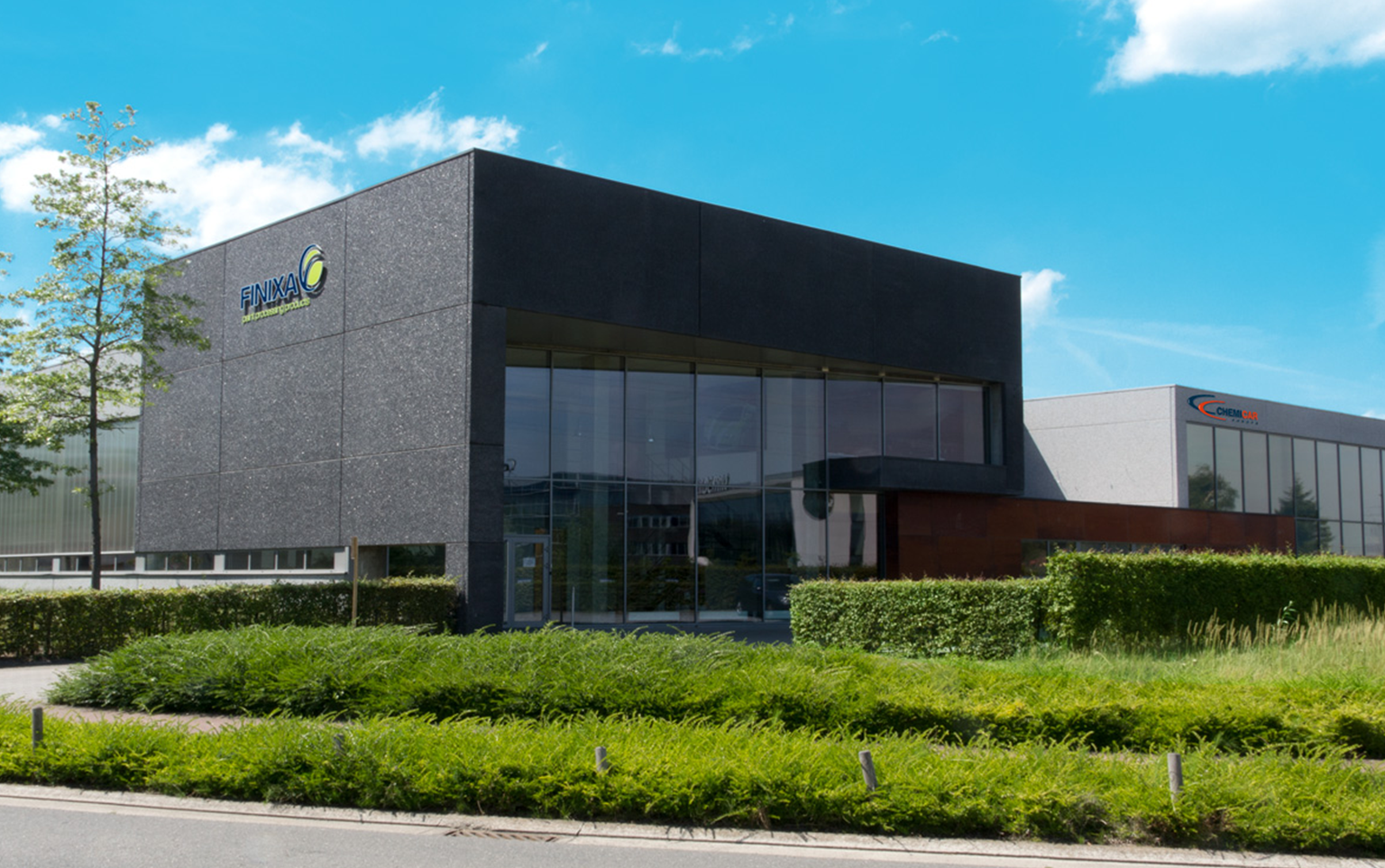
Finixa, a brand by Chemicar Europe NV, boasts over 40 years of experience in the professional autobody repair industry. They offer an exhaustive range of consumables, equipment, and training solutions under the Finixa label, catering to a global network of dealers in more than 100 countries. Finixa prioritizes responsible quality, sustainability, and innovation. Having developed and manufactured a significant portion of their products in-house, they ensure exceptional quality control and supplies its high-performance products directly to OEM car manufacturers.
Finixa identified the need to expand their market presence and enhance customer engagement by launching an online storefront using Shopify, and to list their extensive autobody product catalog. But, on the other hand, a significant challenge arose – their existing Microsoft Dynamics ERP system lacked native integration with Shopify. Finixa required a seamless solution to bridge the gap between their online store and ERP system for improved operational efficiency.
Moreover, to optimize their operations, access data in real-time, and to generate customer invoices dynamically, Finixa wanted a seamless integration that would allow them to consolidate all their data under one platform. This integration was essential for maintaining accurate inventory levels, streamlining order processing, and ensuring data consistency. To do so, they partnered with a trusted, end–to–end services provider – SMB Services.
To address Finixa’s requirements, our strategy focused on developing a robust Shopify store while implementing unified integration with their Microsoft Dynamics ERP system. We built and optimized an Ecommerce platform on Shopify store to showcase Finixa’s extensive product catalog effectively. Leveraging a third-party API compatible with Microsoft Dynamics ERP, we facilitated real-time synchronization of data between Shopify and the ERP system. This integration enabled automated processes, such as order management and inventory updates while dynamically generating customer invoices.
During the API integration, several technical glitches arose. New customer data occasionally merged incorrectly with existing records, and issues with payments and receivables surfaced, causing temporary disruptions. To address these challenges, we implemented a phased integration approach. Monitoring and resolving issues as they appeared, we also conducted rigorous testing and validation to ensure data integrity and system reliability. Dedicated technical support was provided to Finixa’s team to resolve and overcome these challenges – hence, a smooth transition transpired.

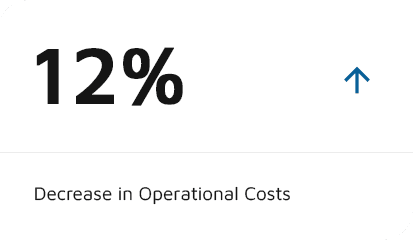
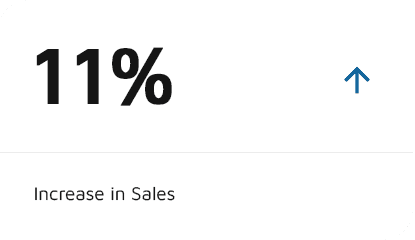
The successful implementation of the API delivered significant benefits to Finixa. The integration between Shopify and Microsoft Dynamics ERP provided Finixa with centralized data management, which enabled them to monitor and manage all eCommerce operations efficiently. Automated processes, including order processing and inventory management, streamlined operations and reduced administrative overhead. This efficiency translated into improved customer experiences, with enhanced order tracking and timely deliveries.
Also, after the ERP integration, SMB Services not only aligned Finixa’s operations to better facilitate B2B sales but also integrated the potential for direct B2C sales. This dual capability expanded Finixa’s market reach and allowed them to cater to a broader customer base, enhancing their competitive advantage in the autobody repair sector.
Our scalable solution allowed Finixa to leverage eCommerce effectively while maximizing the capabilities of their existing ERP system. This unified, automated approach to sales and inventory management delivered tangible benefits, positioning Finixa for sustained growth within the competitive autobody repair industry.